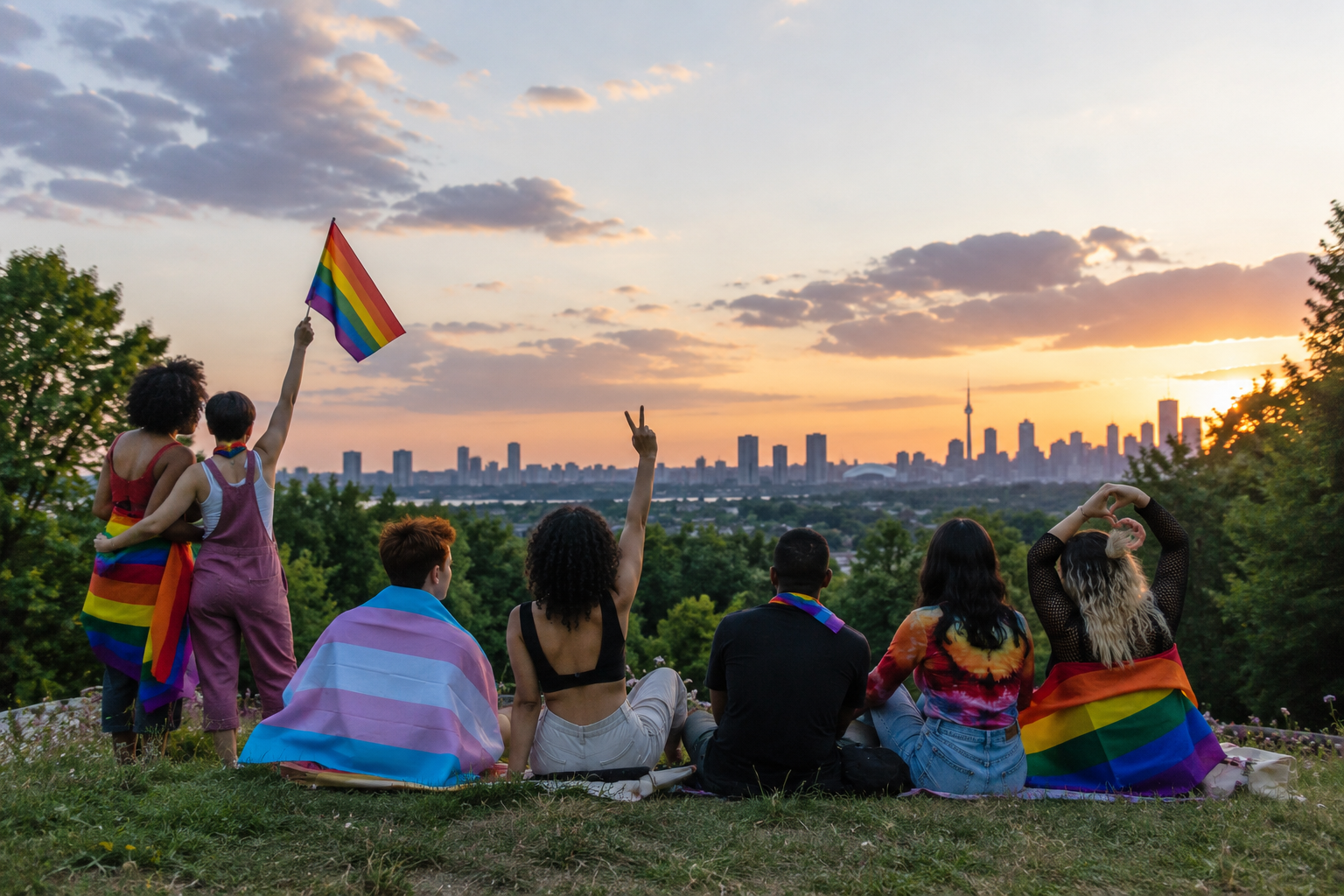


Pride Month offers an opportunity to celebrate the diversity, resilience, and contributions of
LGBTQ2S+ communities. It is also a time to recognize the rich diversity that exists within these
communities, including the significant number of individuals who identify as both LGBTQ2S+
and neurodivergent.
Research consistently shows that neurodivergent individuals are more likely to identify as
LGBTQ2S+. While the reasons for this overlap are complex and still being explored, the
connection has important implications for identity development, mental health, healthcare, and
community belonging.
Understanding the Overlap
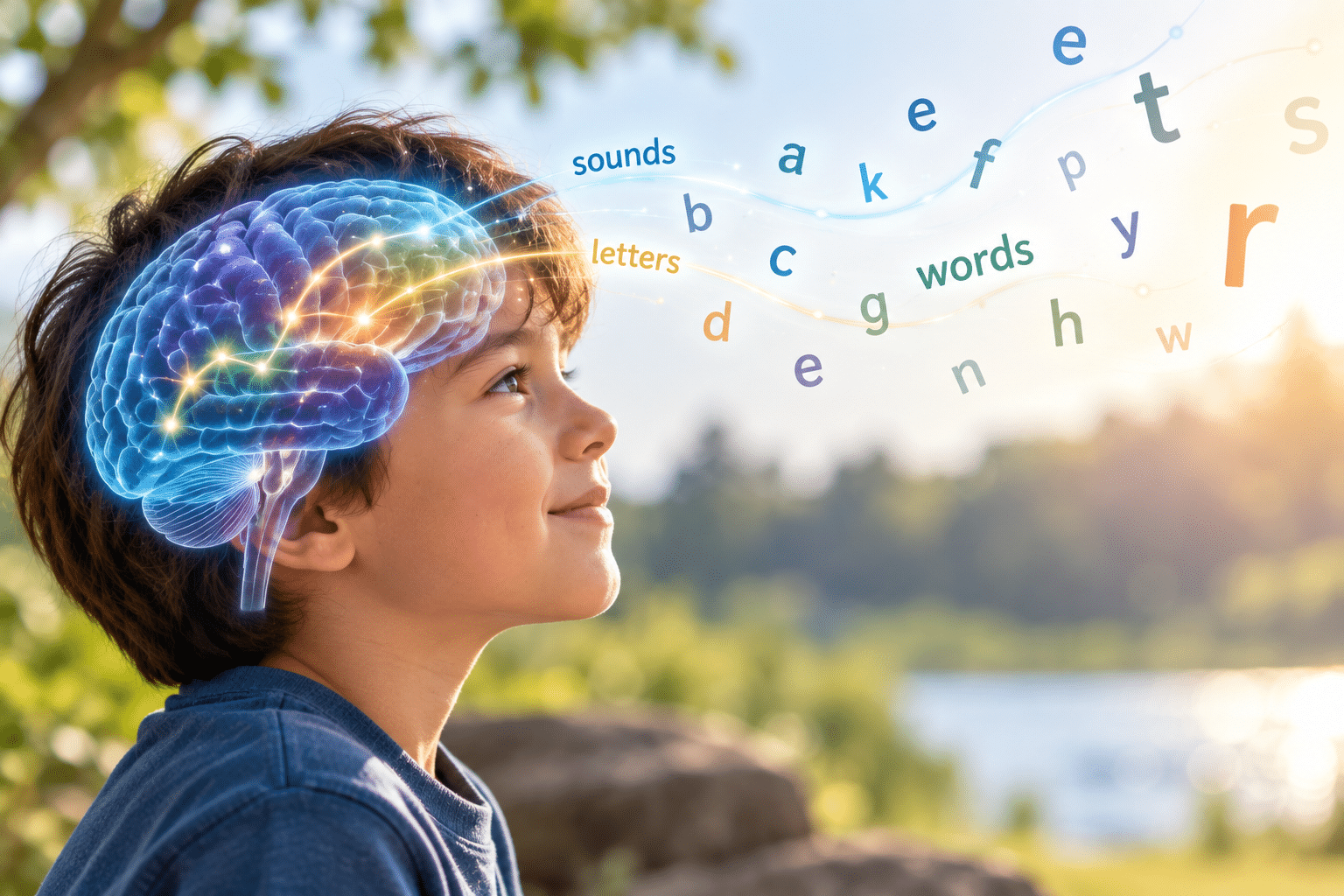
Neurodiversity refers to the natural variation in how our brains process information, learn,
communicate, and experience the world. Neurodivergent individuals may include people who are autistic and have ADHD, dyslexia, dyspraxia, Tourette syndrome, and other neurological differences.
LGBTQ2S+ is an umbrella term encompassing diverse sexual orientations, gender identities, and gender expressions, including lesbian, gay, bisexual, transgender, queer, questioning, Two-Spirit, and other identities.

Multiple studies have found that autistic individuals are more likely to identify as LGBTQ2S+
than neurotypical individuals. Research has also identified higher rates of gender diversity
among autistic people, with many reporting gender identities that exist outside traditional binary
categories (Walsh et al., 2018).
Several proposed explanations for this overlap suggest that neurodivergent individuals may
approach social norms, identity, and self–understanding differently. Some may feel less
constrained by conventional expectations around gender and sexuality, while others may engage
in deeper self–reflection about who they are and how they experience the world.
Shared Experiences of Difference
Many individuals in both groups grow up feeling different from their peers. They may spend years trying to understand themselves while navigating environments that are built around
assumptions of what is considered “normal.” Both communities have historically faced
misunderstanding, stigma, discrimination, and pressure to mask aspects of themselves in order to gain acceptance.
Masking can take many forms. An autistic person may consciously suppress natural
communication styles or sensory needs. An LGBTQ2S+ person may hide their sexual orientation
creating significant emotional and psychological strain. Jo McCormick (2026) has termed this
dual masking as “a mask within the closet.”
Research has linked chronic masking to increased rates of anxiety, depression, burnout, and reduced well–being. Conversely, environments that support authenticity and self–acceptance are
associated with improved mental health outcomes.
The Importance of Inclusive and Affirming Spaces
with their experiences and needs in mind. Many social norms, institutions, and systems in North
America have historically been built around neurotypical, cisgender, and heterosexual
expectations. As a result, navigating healthcare, education, workplaces, and social relationships
can present unique challenges. These realities underscore the importance of creating inclusive,
affirming, and accessible spaces that foster a sense of belonging, safety, and acceptance for
neurodivergent LGBTQ2S+ individuals.
For healthcare providers, understanding the intersection of LGBTQ2S+ and neurodivergent
identities is essential. Individuals who belong to both communities often encounter unique
barriers when seeking care. They may have experienced previous misunderstandings,
discrimination, or invalidation from professionals who lacked knowledge about either
neurodiversity or LGBTQ2S+ identities.
Affirming care involves recognizing the whole person rather than viewing identities in isolation.
It means creating spaces where people can discuss gender, sexuality, neurodivergence,
relationships, sensory needs, communication preferences, and mental health concerns without
fear of judgment. Clinicians who adopt a neurodiversity–affirming and LGBTQ2S+–affirming
approach are better positioned to build trust, foster meaningful therapeutic relationships, and
support positive outcomes.

The Strength of Community
One of the most powerful protective factors for both LGBTQ2S+ and neurodivergent individuals is community connection. Therefore, finding others with shared experiences can reduce isolation, increase self-understanding, and foster a sense of belonging. Many people who identify as both LGBTQ2S+ and neurodivergent describe feeling understood for the first time when they connect with peers who share similar experiences.
These communities also contribute valuable perspectives, creativity, innovation, advocacy, and leadership. Their voices challenge society to think more broadly about human diversity and to create environments where differences are respected rather than merely tolerated.
Celebrating Authenticity
Pride Month is about more than visibility. It is about recognizing the value of people living authentically and creating communities where everyone can thrive.
For neurodivergent LGBTQ2S+ individuals, Pride can be a celebration of multiple identities that have often been misunderstood or marginalized. It is an opportunity to acknowledge both the challenges and the strengths that emerge from these lived experiences.
As we celebrate Pride, we also celebrate the diversity of minds, identities, and ways of being that enrich our communities. By embracing both neurodiversity and LGBTQ2S+ inclusion, we move closer to a world where all people are supported in being fully themselves.
At Possibilities Clinic, we are committed to providing affirming, inclusive, and neurodiversity-positive care. We recognize that every person’s experience is unique and believe that understanding the intersection of identity, neurodiversity, and mental health is essential to supporting well-being. To find out more or how we can help you visit us at PossibilitiesClinic.com or call 1-833-482-5558.
References:
McCormick, J. (2026). A Mask Within the Closet: A Case for Intersectionality in Queerness and Neurodiversity Research. Northumbria Student Academic Journal, 2(1), 1-9. https://doi.org/10.19164/nusaj.v2i1.1872
Walsh, R. J., Krabbendam, L., Dewinter, J., & Begeer, S. (2018). Brief Report: Gender Identity Differences in Autistic Adults: Associations with Perceptual and Socio-cognitive Profiles. Journal of autism and developmental disorders, 48(12), 4070–4078. https://doi.org/10.1007/s10803-018-3702-y